
Agriculture Career Guide
How to Build a Career in Agriculture
Agriculture careers combine science, sustainability, food systems, and technology. They help improve crop production, soil health, farm management, and the agricultural supply chain.
Eligibility
Class 12 Science / Agriculture
Popular Course
B.Sc Agriculture
Average Salary
INR 3-8 LPA
Work Areas
Farms, agri-tech, research, govt
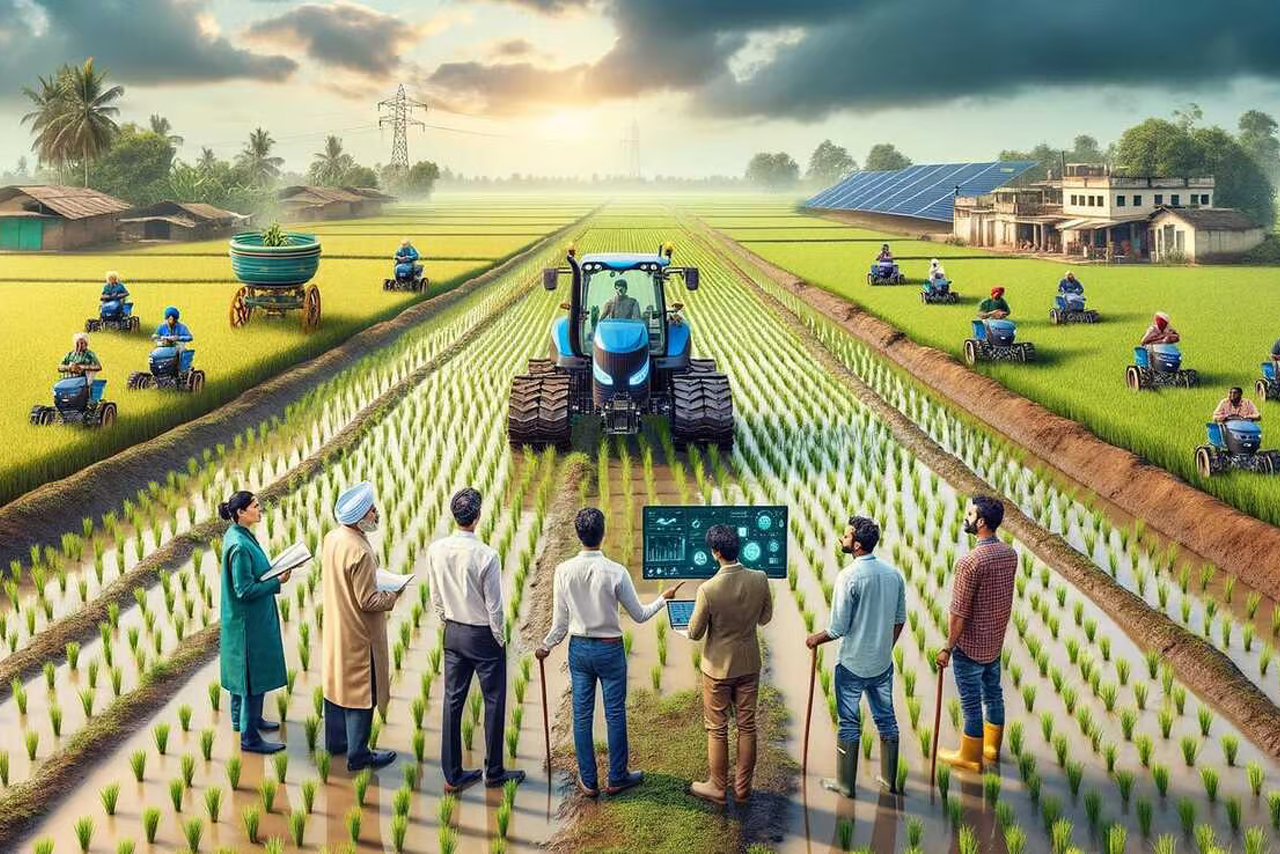
About This Career
Agriculture is no longer limited to traditional farming. It has become a modern science-driven field with opportunities in research, policy, food processing, and agribusiness.
What You Do
- Improve crop yield with better methods and technology.
- Support farmers with soil, seed, and irrigation guidance.
- Work on food production, storage, and farm analytics.
- Contribute to sustainability and rural development projects.
Eligibility Path
- Complete Class 12 in Science or Agriculture stream.
- Join B.Sc Agriculture or related programs.
- Develop interest in biology, chemistry, and environmental science.
- Advance into M.Sc, research, or agribusiness roles if needed.
How To Start
- Build a base in biology, chemistry, and environmental studies.
- Choose an agriculture degree and learn farm science fundamentals.
- Take internships or field visits for hands-on exposure.
- Move into research, advisory, management, or government roles.
Roles
- Agricultural officer
- Crop advisor
- Agri researcher
- Farm manager
- Agri-tech analyst
Salary Snapshot
| Role | Typical Path | Approx. Pay |
|---|---|---|
| Entry level | After degree | INR 3-4.5 LPA |
| Field specialist | Advisory / research | INR 5-8 LPA |
| Experienced professional | Management / govt | INR 8 LPA+ |
Career Scope
Agriculture professionals can work with government departments, agri-business firms, seed companies, banks, food processing units, and research organizations.
Good Fit If You
- Growing tech adoption
- Useful social impact
- Government and private roles
Challenges
- Field work can be demanding
- Weather dependency in some roles
- Need for practical exposure
FAQs
Can agriculture be a modern career?
Yes, it includes research, technology, policy, and business as well as field work.
Do I need a farm background?
No, students from science backgrounds can enter agriculture programs.
Is B.Sc Agriculture good for government jobs?
Yes, it opens paths in agriculture departments, research, and allied services.